The Surrealists
-
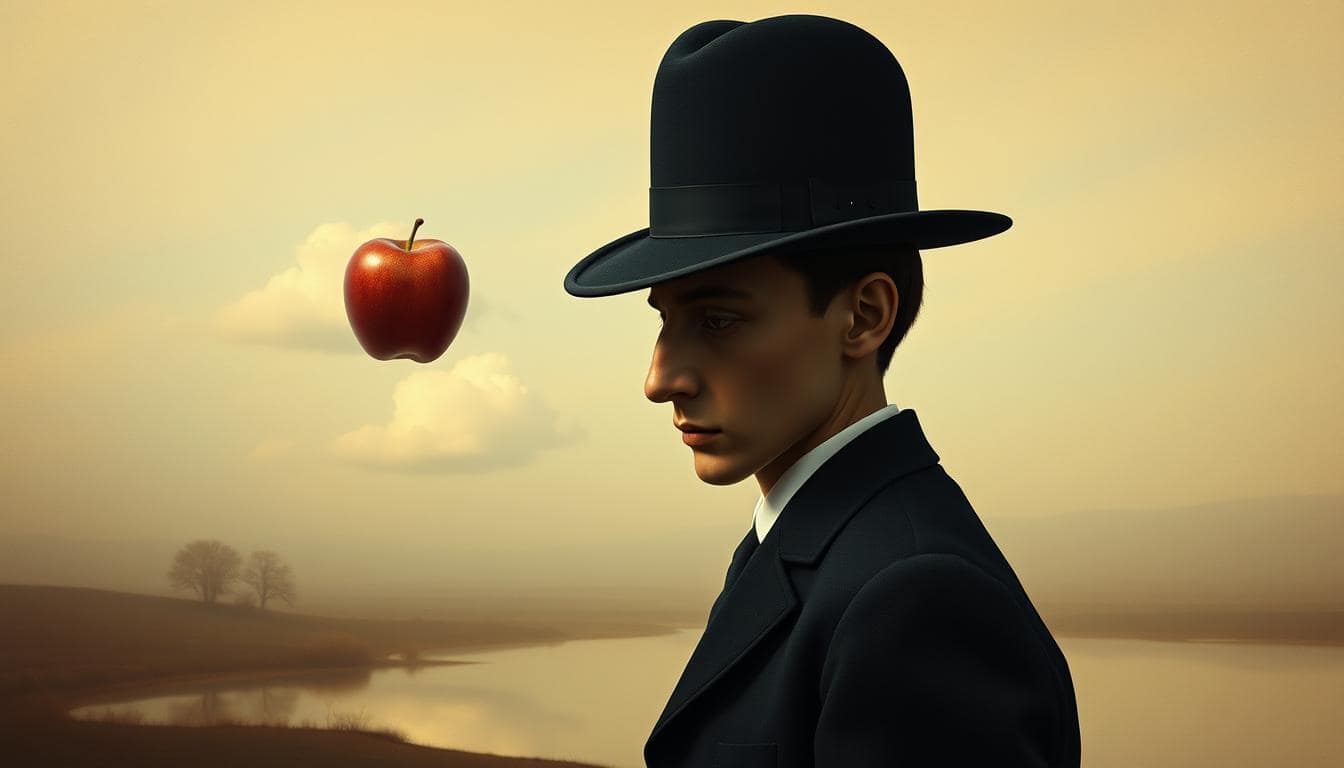
René Magritte: The Man in the Bowler Hat—Mystery, Wit, and the Everyday Uncanny
Imagine Marcel Duchamp sipping absinthe at a Brussels café, playing chess with Freud. That’s René Magritte—the stylish enigma who made everyday objects into deep questions. While Salvador Dalí played … Read the rest
-
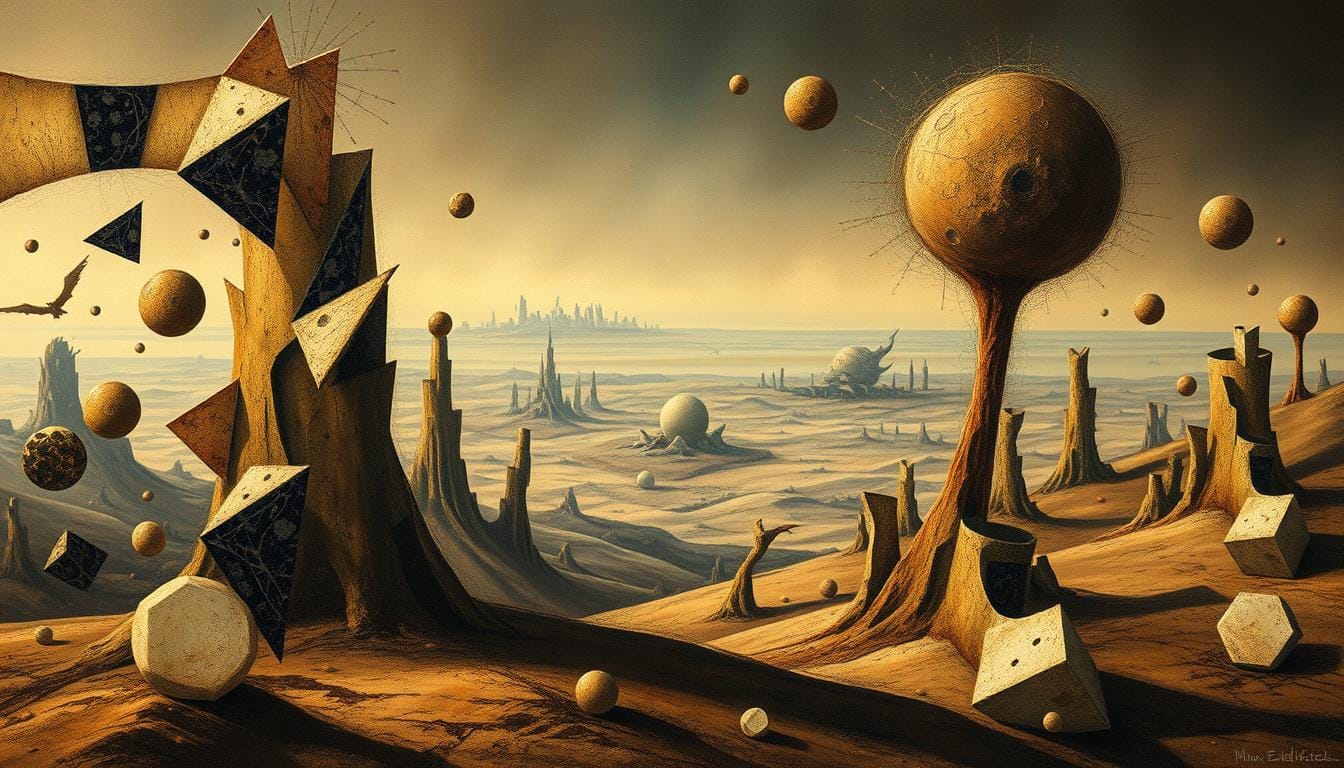
Max Ernst: Collage, Experimentation, and the Imagination Revolution
Imagine an artist who used paintbrushes like scalpels, cutting through reality to show its hidden side. This was the original art world disruptor. A self-taught thinker who mixed Freudian … Read the rest
-

Salvador Dalí: Master of Dreams, Eccentricity, and Surrealist Icons
Imagine a mustache so bold it could warp time. Now picture its owner painting melting clocks with the skill of a Swiss watchmaker. He claimed these clocks “made themselves” through … Read the rest
-
André Breton: The Pope of Surrealism—Life, Legacy, and Artistic Manifestos
Imagine a medical student in 1916 Paris, cutting through logic’s rules. He became the most creative rebel in art history. He traded scalpels for “pure psychic automatism”, a phrase … Read the rest
-
The Concept of Surreality: Beyond Reality in Surrealist Philosophy
Reality is overrated. In 1924, André Breton declared war on the mundane with his Surrealist Manifesto. He proposed a radical definition of surreality as the “resolution of dream … Read the rest
-
Illogical Scenes in Surrealism: The Artist’s Portal to the Unconscious
Imagine a world where logic takes a break and the subconscious takes over. Salvador Dalí’s clocks seem to sag, like melted cheese, over empty landscapes. It’s a dream where time … Read the rest
-
Dream Analysis in Surrealism: From Freud to the Canvas
Imagine Salvador Dalí waking up at 3 AM, grabbing a paintbrush like it’s his only hope. He’s painting melting clocks in a desert. It’s not just a dream—it’s a statement … Read the rest
-
Symbolism in Surrealist Art: Unlocking the Language of the Unconscious
What do Freudian slips, dream journals, and melting clocks share? They’re visual puzzles that challenge our logic. Born from WWI’s chaos, this art movement explored the subconscious, inspired by Freud’s … Read the rest
-
Freud’s Influence on Surrealism: Dreams, the Unconscious, and Artistic Revolution
Imagine Salvador Dalí’s clocks hanging over Sigmund Freud’s chair like melted cheese. A couch turns into a canvas. This was more than art—it was a declaration of war on reality… Read the rest
-
Objective Chance in Surrealism: Harnessing Randomness in Creative Practice
Imagine Salvador Dalí’s clocks melting like wax. That eerie feeling? It’s Surrealist magic. After World War I, artists like André Breton sought chaos. They didn’t just use randomness; they harnessed … Read the rest





Pages
Proudly powered by WordPress